

I know most are focusing on Iran right now, but I just decided to do the opposite and switch the focus to the western hemisphere. For today’s episode, I want to introduce an article by Professor Zhao Minghao (赵明昊), Deputy Director and Professor at the Center for American Studies, Fudan University (复旦大学美国研究中心). Fudan’s Center for American Studies is one of China’s premier institutions for research on U.S. foreign policy, and Zhao is among the most closely watched voices in Beijing’s America-watching community. His work focuses on U.S. grand strategy, U.S.-China relations, and great power competition.
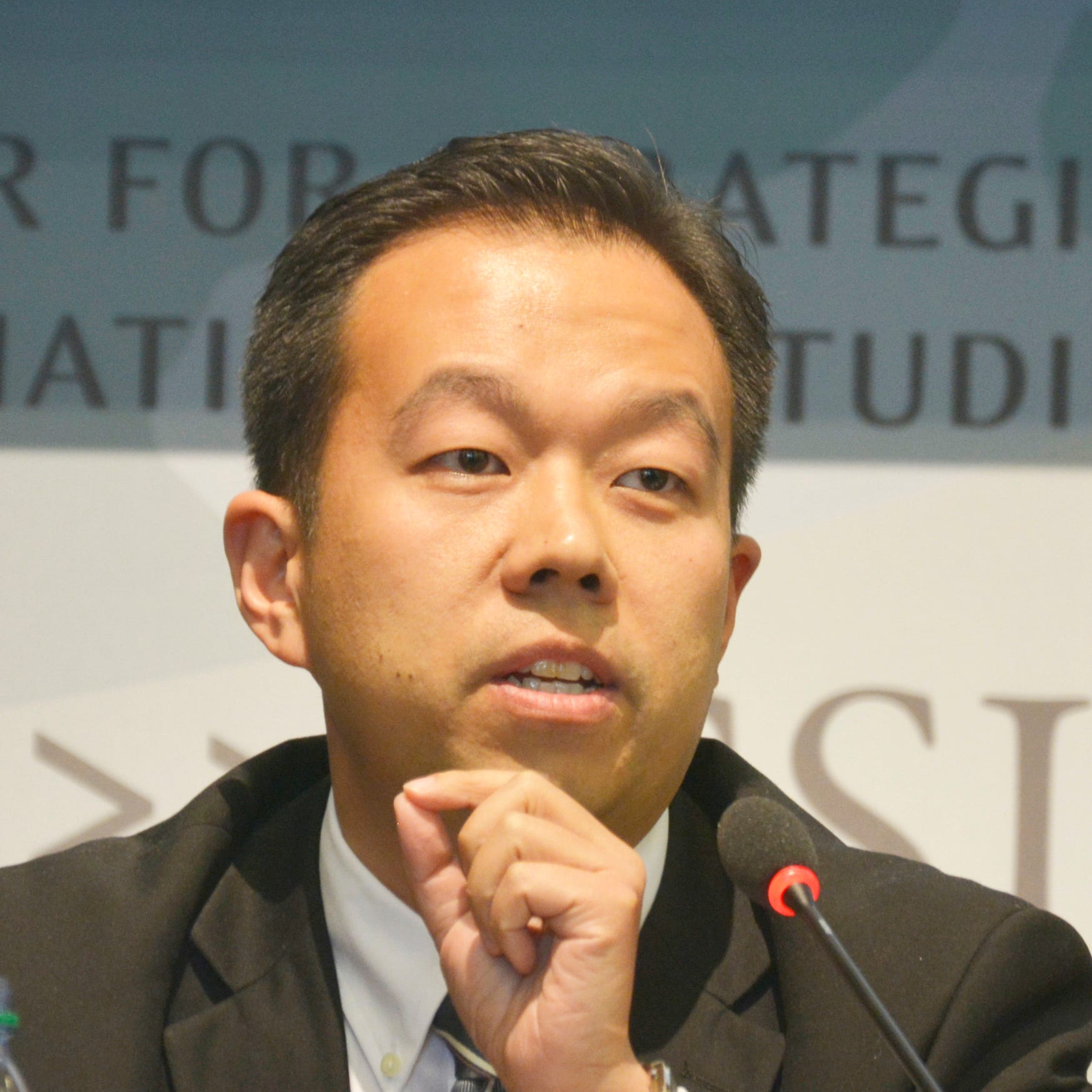
In his article The ‘Donroe Doctrine’ and the Reshaping of U.S. Hegemony in the Western Hemisphere (《”唐罗主义”与美国西半球霸权地位的重塑》), Professor Zhao argues that Trump’s second-term foreign policy in the Western Hemisphere should not be mistaken for retrenchment. While the U.S. may be pulling back from maintaining the liberal international order elsewhere, in its own “backyard,” it is expanding aggressively. The New York Post coined the portmanteau “Donroe Doctrine”—a blend of Donald Trump and Monroe—and Trump himself embraced the label enthusiastically.
Professor Zhao connects the dots between the Venezuela raid and the Trump administration’s wider ambitions, including courting right-wing forces across the hemisphere, securing control over critical minerals and energy resources, building U.S.-dominated supply chains, and squeezing out Chinese influence from Latin America. For Zhao, the “Donroe Doctrine” is about the United States attempting to lock down an entire hemisphere as the foundation for sustaining its global hegemony in an era of intensifying U.S.-China competition.
Below is the full article. I want to thank Professor Zhao for his kind authorization.
In early December 2025, the United States released its National Security Strategy report, promoting the so-called “Trump Corollary to the Monroe Doctrine.” The report declared that the U.S. would restore its dominant position in the Western Hemisphere, ensure American control over the region’s strategic resources, expand military relations with relevant countries, and weaken the influence of rival powers in the hemisphere. In early January 2026, the United States launched a military strike against Venezuela, “capturing” President Maduro and his wife from the capital Caracas and subsequently transporting them to New York to stand “trial.” Coincidentally, in January 1990, U.S. forces that had invaded Panama similarly seized the country’s top leader, Noriega, under the pretext of “drug trafficking.” These two operations exemplify America’s hardline intervention in Latin American and Caribbean nations and underscore the profound influence of the “Monroe Doctrine” on U.S. foreign policy. At a press conference held after the raid on Venezuela, Trump declared that he would far surpass the traditional “Monroe Doctrine.” Clearly, the United States is attempting to reshape its hegemonic position in the Western Hemisphere—a move that not only disrupts the region’s geopolitical power dynamics but also poses new challenges for the U.S.-China strategic competition.
I. The “Donroe Doctrine”: Trump’s Version of the Monroe Doctrine
The governing slogan of Trump’s second term is “Make America Great Again,” and his understanding of “greatness” is closely tied to the territorial expansion and imperialist conduct that have characterized the United States since the 19th century. As early as 1823, James Monroe, the fifth President of the United States, articulated the declaration that “America shall not interfere in European politics, and Europe shall not intervene in the affairs of the New World”—a principle that later became known as the “Monroe Doctrine.” This concept both delineated a sphere of influence dominated by the United States and reflected a deep-seated bias rooted in a “hierarchy of civilizations.” In 1902, European powers, including Britain and Germany, dispatched warships to threaten Venezuela, demanding debt repayment. President Theodore Roosevelt intervened to mediate, with the aim of preventing European powers from expanding their involvement in the region—forming the “Roosevelt Corollary to the Monroe Doctrine.” From that point onward, as American national power grew, the Monroe Doctrine evolved from a defensive posture to one that was increasingly expansionist and aggressive. The United States combined its economic, financial, and military power to continually strengthen its influence over nations in the Western Hemisphere, particularly in Latin America. For example, in 1954, the U.S. engineered the overthrow of the Guatemalan government; in 1961, it launched the Bay of Pigs invasion aimed at toppling the Cuban regime; and in 1989, it sent troops to invade Panama. These events demonstrate that the United States has long carried out interventions with distinctly imperialist overtones in Central and South America, frequently engaging in regime change operations.
On December 2, 2025, the White House issued a “Presidential Statement Commemorating the Anniversary of the Monroe Declaration” in Trump’s name. On December 4, the Trump administration released its new National Security Strategy report. In articulating America’s core interests, the report stated: “We want to ensure the Western Hemisphere remains sufficiently stable and well-governed to prevent and deter mass migration to the United States; we want governments in this hemisphere to cooperate with us in combating narco-terrorists, drug cartels, and other transnational criminal organizations; we want this hemisphere to be free from the encroachment of hostile foreign powers, preventing them from owning critical assets and controlling key supply chains; and we want to ensure our continued access to critical strategic locations. In other words, we will enforce the Monroe Doctrine and implement the ‘Trump Corollary.’” Regarding how to implement the “Trump Corollary to the Monroe Doctrine,” the report emphasized two major pathways: first, coalition—pushing Western Hemisphere nations to more vigorously align with U.S. policies on economic, immigration, and military security matters; and second, expansion—incorporating more regional countries into the U.S.-led orbit while weakening rival nations’ influence over the hemisphere’s strategic resources, critical infrastructure, and supply chains.
Clearly, Trump seeks to craft a Monroe Doctrine bearing his personal stamp and to establish it as the legacy of his second term. In January 2025, the New York Post coined the term “Donroe Doctrine” by combining the names Donald Trump and Monroe to encapsulate the Trump administration’s Western Hemisphere policy. Trump himself was highly enthusiastic about this label. As a Cuban-American political figure, Secretary of State Rubio explicitly stated that Trump’s second-term foreign policy features an “Americas First” orientation. Rubio’s first overseas trip after assuming office was to Latin American and Caribbean nations. He made no effort to conceal the Trump administration’s expectation that these countries submit to American directives, demanding compliance on issues such as immigration deportation, supply chains, and military security. In summary, Trump’s “Donroe Doctrine” exhibits the following characteristics:
First, it leverages the fight against drug trafficking and illegal immigration to strengthen substantive control over Western Hemisphere nations, packaging acts of aggression as law enforcement operations. The Trump administration has labeled leaders of countries such as Colombia as supporters of “narco-terrorism,” seeking to legitimize interventionist actions under the pretext of combating transnational crime. Under the immense pressure of America’s tariff war, Mexico, Guatemala, and other countries have agreed to accept migrants deported by the United States.
Second, it advances U.S. military relationships with relevant countries and does not hesitate to use maximum pressure or even military means to achieve territorial annexation goals. The Trump administration is seeking to restore and renovate military bases in Puerto Rico, Panama, and other locations, while strengthening joint military exercises with Ecuador, El Salvador, Argentina, and others. Trump has also repeatedly claimed that the United States “absolutely needs” Greenland, stated that the use of military force is one of the options, and appointed Louisiana Governor Jeff Landry as special envoy to Greenland.
Third, it prioritizes dominance over the strategic resources of Western Hemisphere nations and aims to build U.S.-controlled supply chains in areas such as semiconductors. South American nations, rich in critical minerals, have become focal points of great power competition. The Trump administration has intensified its courtship of Argentina, Chile, and other countries regarding important resources such as lithium, uranium, and natural gas. The U.S. is also accelerating its efforts to transform Costa Rica into the Silicon Valley of Latin America, achieving nearshore outsourcing in semiconductor packaging, testing, and other industrial sectors.
Fourth, it cultivates right-wing political forces in the Western Hemisphere and influences the domestic politics of relevant countries, such as Ecuador and Bolivia. Brazil and Colombia are scheduled to hold presidential elections this year, and pushing these countries’ domestic politics toward a “rightward turn” is a U.S. policy objective. This is effectively a new model of regime change: the Trump administration and the right-wing forces behind it are attempting to establish indirect rule in relevant countries through low-cost methods.
Undoubtedly, Trump’s second-term foreign policy should not be simply characterized as “retrenchment.” While the United States does wish to reduce the burden of maintaining the international order, the Trump administration’s posture in Western Hemisphere affairs is one of expansion. The aggressive and bullying nature of the “Donroe Doctrine” should not be underestimated; at its core, it represents America’s desire to maintain its global hegemonic position by controlling the Western Hemisphere.
II. The U.S. Raid on Venezuela and Its Implications
As early as Trump’s first term, he sought to remove Maduro from power and imposed severe sanctions on Venezuela. Since Chávez came to power in 1999, Venezuela has been regarded by the United States as a thorn in its side. During the Obama administration, the U.S. government declared that Venezuela posed “an unusual and extraordinary threat to U.S. national security”; during the Biden administration, America’s diplomatic engagement with Venezuela failed, and Washington shifted to intensifying pressure on the country. As the Western Hemisphere regained a central position in Trump’s second-term national security strategy, the United States had long since resolved to eliminate Maduro. By striking at Maduro, Trump demonstrated to American voters his determination to implement the “Make America Great Again” strategy and address problems such as narcotics, thereby helping to cultivate his “strongman president” image. When discussing Maduro’s links to transnational criminal organizations and illegal immigration, Trump harshly criticized the disorder in cities and regions governed by Democrats, reflecting the domestic political calculations underlying the “Donroe Doctrine.” The raid on Venezuela also helped Trump court Latino voters within the United States—Florida alone has 300,000 Venezuelan-American voters, and securing these votes holds significant value for Trump and the Republican Party ahead of the 2026 midterm elections.
The Trump administration’s raid on Venezuela is an important manifestation of the military dimension of the “Donroe Doctrine” and carries strong overtones of “gunboat diplomacy.” The operation was built on months of meticulous preparation. As early as August 2025, the Trump administration began implementing its plan. A covert CIA team infiltrated Venezuela in advance, and the U.S. military constructed a full-scale replica of Maduro’s residence at the Joint Special Operations Command base in Kentucky, where operational training was conducted. Beginning in October 2025, the Trump administration steadily escalated military pressure on Venezuela. The U.S. military increased its deployments in the Caribbean, attacking Venezuelan vessels on multiple occasions and causing casualties. U.S. Southern Command also spearheaded the formation of a “Joint Task Force”—a strong signal that the U.S. military was preparing for a strike operation. On the eve of the raid, the U.S. military deployed large numbers of special operations aircraft, electronic warfare aircraft, armed drones, and fighter jets to the Caribbean region, and struck Venezuelan radar stations and air defense systems to provide cover for the infiltration of special forces. The Trump administration sought to frame this operation as a “symbol” of America’s formidable military power, using it to intimidate nations across the Western Hemisphere.
After completing the raid, stabilizing the situation in Venezuela became the Trump administration’s priority. Unwilling to repeat America’s quagmire in Afghanistan and Iraq, it sought to gradually install pro-American forces in power through limited engagement. Trump explicitly stated that the United States would “govern this country” until a “smooth transition of power” could be achieved in Venezuela. Maduro’s deputy, former Vice President and Oil Minister Rodríguez, received Washington’s endorsement and became acting president. According to U.S. sources, this lawyer-turned-politician with close ties to the oil industry had agreed to cooperate with the Trump administration. Secretary of State Rubio, Chairman of the Joint Chiefs of Staff Kaine, and Special Envoy for Latin American Affairs Grenell are the core figures in the Trump administration handling the Venezuelan situation. Rubio stated that Rodríguez, the acting president, “is willing to do what we deem necessary.” Venezuela’s domestic political landscape is extremely complex, featuring paramilitary organizations such as the “colectivos,” the Colombian National Liberation Army (ELN), and various transnational criminal organizations. Trump does not have full confidence in opposition figures such as Machado, believing they lack governing experience and would struggle to gain the support of Venezuela’s military and political elite. In the short term, the Trump administration is more inclined to support figures capable of stabilizing Venezuela’s domestic political situation in the “post-Maduro era,” rather than completely dismantling the existing regime. The United States will strengthen its influence over Venezuela’s political elite through sustained military pressure and economic inducements. At the same time, Washington will also identify agents who can gradually replace Rodríguez and execute the American policy agenda, developing and implementing a long-term plan for controlling Venezuela.
Rubio has explicitly stated within the State Department that competing for dominance over energy and resources is a priority of U.S. foreign policy. The driving force behind America’s invasion of Venezuela is closely linked to controlling oil resources—not only because the U.S. consumes 20 million barrels of crude oil daily, but also to ensure the dominance of the U.S. dollar. Oil trade has been settled in dollars for decades, forming the so-called “petrodollar” system. If the dollar were no longer the dominant currency for oil transactions, America’s financial hegemony would be weakened. Venezuela possesses the world’s largest proven oil reserves and is a major exporter of heavy crude. Trump has claimed that the Venezuelan government’s seizure of assets belonging to American companies amounted to “stealing America’s oil.” If the U.S. controls Venezuela, it could influence global oil pricing and weaken the bargaining power of Saudi Arabia and other OPEC members in the energy arena vis-à-vis the United States. Additionally, Venezuela ranks eighth globally in natural gas reserves, and its nickel, manganese, and rare earth deposits are strategic resources the U.S. needs. It is worth noting with alarm that the Trump administration’s goal extends beyond merely acquiring Venezuela’s resources—it also seeks to decouple Venezuela from its economic and trade cooperation with China, Russia, Cuba, and other countries, transforming it into a resource provider under American control. Following Rodríguez’s assumption of the acting presidency, the Trump administration is expected to gradually lift sanctions on Venezuela’s oil exports. Trump hopes that major American oil companies such as ExxonMobil and Chevron will take the lead in reshaping Venezuela’s oil industry. However, due to enormous political and commercial risks, American companies are unlikely to return to Venezuela on a large scale in the near term. The Trump administration may instead facilitate U.S. corporate participation in repairing energy infrastructure and increasing oil production capacity in select areas of Venezuela. In the long run, the Trump administration seeks to build a U.S.-led Western Hemisphere economic fortress, incorporating Venezuela into it. Under the logic of the Monroe Doctrine, the United States views the Western Hemisphere as a more secure “economic backyard” and aims to create a closed loop of “energy–minerals–food” in the hemisphere to consolidate the dollar’s position.
The Trump administration’s abduction of Maduro signals that the United States will pursue a neo-imperialist policy in its Western Hemisphere “backyard.” Trump has already issued direct threats to Colombia, Cuba, and other countries, and has expressed displeasure with Mexican President Sheinbaum and Brazilian President Lula. Chilean President Boric has warned that “today it is Venezuela, tomorrow it could be any country.” Trump administration decision-makers believe that the Maduro regime was sustained with the support of Russia, China, and Iran, and that the U.S. needs to strike at the “anti-American axis” composed of Venezuela, Cuba, and similar nations. Trump has stated that the action against Venezuela will weaken Cuba, which is heavily dependent on Venezuelan oil and energy, and that Cuba already appears to be teetering on the brink.
Notably, the aggressive nature of Trump’s “Donroe Doctrine” also manifests on the geopolitical level, aimed at diminishing the influence of China and other major powers in Western Hemisphere nations. Close attention must be paid to the risk of the United States undermining China’s legitimate interests in Venezuela. China has provided tens of billions of dollars in loans and investments to Venezuela and is a major purchaser of the country’s crude oil and other products. Chinese companies such as Huawei have participated in Venezuela’s telecommunications and infrastructure construction. In May 2025, Colombia announced its accession to the Belt and Road Initiative. To date, 22 Latin American countries have signed Belt and Road cooperation memoranda with China. Previously, Rubio has repeatedly hyped the so-called “threat” of China in the Americas, falsely claiming that “the Panama Canal has fallen into Chinese hands.” The United States has not only pressured the Panamanian government into withdrawing from the Belt and Road Initiative but also regards Chinese-built infrastructure projects such as Peru’s Chancay Port as thorns in its side. The Trump administration is attempting to leverage military-security instruments to address its competition with China, using security issues as bargaining chips to pressure Western Hemisphere nations. The U.S. has pressured Argentina to cancel its plans to purchase Chinese-made JF-17 fighter jets and other weapons, and has demanded that Argentina terminate its currency swap agreement with China. The Trump administration has amplified the threat narrative around China in cybersecurity and space security, seeking to counterbalance Chinese influence through measures such as strengthening cooperation with Embraer (Brazil’s aerospace company), while obstructing China-Chile collaboration on the Digital Silk Road and space monitoring projects.
Conclusion
Against the backdrop of the Trump administration’s accelerated reshaping of its hegemonic position in the Western Hemisphere and increasingly aggressive interventionist actions grounded in the “Donroe Doctrine,” close attention must be paid to the numerous policy objectives set forth in the newly released National Security Strategy report. The U.S. raid on Venezuela has provoked widespread international dissatisfaction and condemnation, and the Trump administration’s blatantly self-interested policies are bound to bring greater instability to the Western Hemisphere and the world at large. In July 2025, a poll released by the Pew Research Center showed that respondents in Argentina, Brazil, Mexico, and other countries all identified the United States as the “greatest threat.” The sustainability of Trump’s “Donroe Doctrine,” its potential blowback on America’s long-term interests, and the prospects for U.S.-China strategic competition in the context of a National Security Strategy focused on the Western Hemisphere—all merit deeper exploration.
Thanks so much for sharing this!